
Long-Term Residential Treatment Programs
Long-term residential programs extending 90 days or longer provide extended support for developing deep recovery skills and lifestyle changes. Therapeutic community models offer immersive environments where individuals heal together, building foundations for sustained long-term sobriety.
Found 11 long-term residential treatment centers across the United States.
Need Help Finding the Right Treatment Center?
Speak with a compassionate specialist now - 100% free & confidential
Showing 11 of 11 long-term residential treatment centers

Habilitat Inc, situated in Kaneohe, HI, offers an extensive long-term residential treatment program designed for detoxification and addressing substance use disorders. The facility is equipped to serve adolescents, adult men, and adult women, accommodating the needs of both young adults and older adults. The treatment approach at Habilitat Inc emphasizes 12-step facilitation, combined with anger management and cognitive behavioral therapy, allowing for a personalized strategy tailored to each individual's situation. In addition to residential detoxification services, the center provides around-the-clock care, ensuring that clients receive continuous support. Catering to both male and female participants, Habilitat Inc is committed to delivering quality care that fosters a supportive environment for individuals seeking to achieve and maintain long-term recovery.

Hawaii Island Recovery, situated in Kailua Kona, HI, provides a wide array of addiction treatment options designed for both adults and young adults. The center offers comprehensive services, including detoxification, intensive outpatient treatment, long-term residential care, and various outpatient programs. Emphasizing approaches such as 12-step facilitation, brief intervention, and cognitive behavioral therapy, the facility ensures that treatment is customized to meet the unique needs of each individual. Special programs are available for specific populations, including active duty military members, as well as adult men and women. By offering care tailored for both genders, Hawaii Island Recovery aims to deliver personalized rehabilitation services that effectively assist individuals in their journey toward recovery.

Situated in Kahuku, Hawaii, the Bobby Benson Center provides extensive long-term residential treatment focused on addressing both substance use disorders and co-occurring mental health challenges for both adults and children. The facility offers round-the-clock care within a nurturing environment, employing various methodologies such as 12-step facilitation, anger management, and brief interventions to support recovery. Special programs are designed specifically for adolescents, individuals who have experienced trauma, and those with dual diagnoses. By delivering specialized services for adults, children and adolescents, as well as young adults of all genders, the center prioritizes individualized care to meet the unique needs of each client. The Bobby Benson Center is notable for its dedication to effective treatment and a holistic approach to the rehabilitation process.
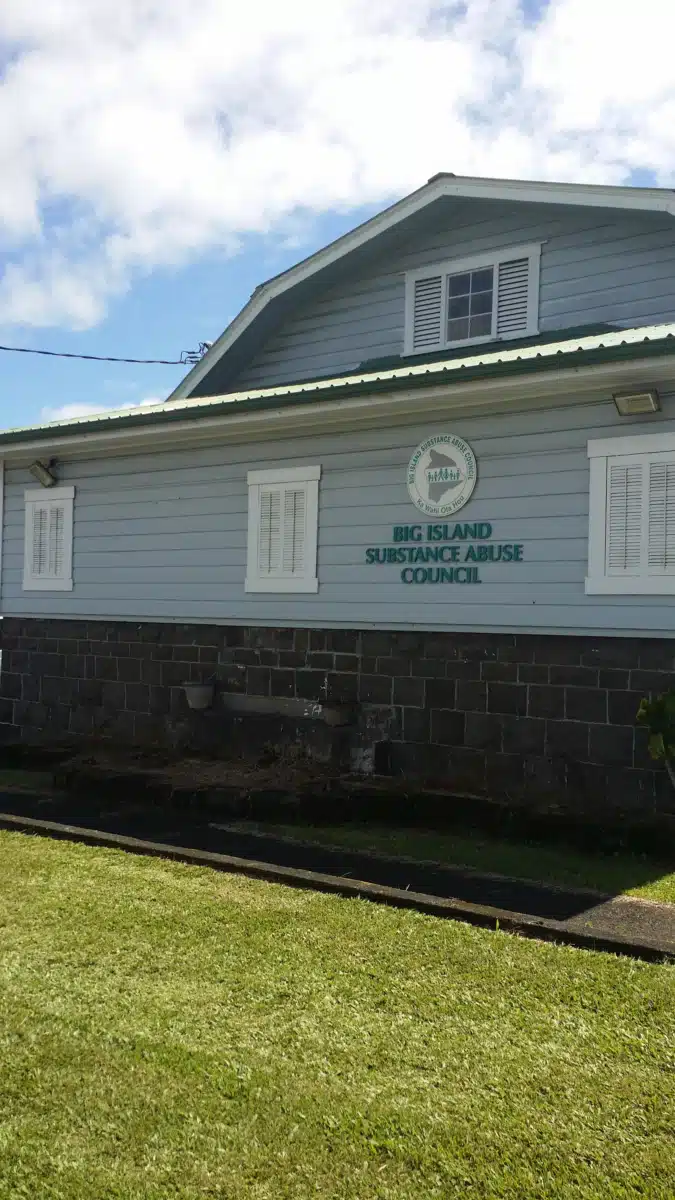
Situated in Hilo, HI, the Big Island Substance Abuse Council delivers long-term residential treatment for substance use specifically designed for adult men. The facility features various housing options, including transitional housing, a halfway house, and sober homes, providing a comprehensive approach to care for individuals in need. Emphasizing 12-step facilitation, anger management, and brief intervention strategies, the program serves a diverse clientele, including adults, seniors, and young adults. By offering specialized services for male clients, the center creates a supportive and gender-focused environment aimed at addressing the unique challenges faced by this population. The facility’s commitment to quality care makes it a noteworthy option for those seeking tailored addiction treatment programs.
Situated in Hilo, Hawaii, the Big Island Substance Abuse Council provides substance use treatment services along with transitional housing specifically for women. The center emphasizes long-term residential care and offers round-the-clock assistance, tailoring its programs for pregnant and postpartum women. By employing various approaches, such as 12-step facilitation and anger management, this facility addresses the needs of both adults and seniors who are pursuing comprehensive recovery from addiction. Additionally, the program incorporates brief interventions to ensure that young adults receive personalized care. With a supportive atmosphere and services designed for women, the center is committed to promoting lasting sobriety and overall wellness.
Situated in Hilo, Hawaii, the Big Island Substance Abuse Council provides long-term residential treatment for substance use, specifically catering to adult men. The facility promotes a supportive atmosphere, incorporating transitional housing and sober living arrangements into its approach. The program emphasizes 12-step facilitation, anger management, and brief intervention strategies, aiming to empower individuals of varying age groups, including adults, seniors, and young adults, to triumph over addiction. By prioritizing quality care and implementing gender-specific treatment, the center aims to deliver a thorough and effective recovery experience for male clients who are pursuing a journey toward sobriety.

Malama Na Makua A Keiki, situated in Kahului, HI, provides a range of substance use treatment options, concentrating on intensive outpatient treatment, long-term residential care, and outpatient services. The facility employs evidence-based methods, including cognitive behavioral therapy, the Matrix Model, and motivational interviewing. Specialized programs are available for adult women, pregnant and postpartum women, as well as young adults. The center is dedicated to supporting females across various age groups, including adults and seniors, ensuring a focused environment for recovery. With an emphasis on personalized treatment plans and a commitment to quality care, Malama Na Makua A Keiki fosters a nurturing space for individuals seeking to overcome substance use disorders.

Situated in Kailua Kona, HI, the Ohana Addiction Treatment Center provides a wide range of services aimed at helping individuals recover from substance use disorders alongside co-occurring mental health challenges. The facility focuses on long-term residential care, offering detoxification services and around-the-clock support to ensure patients receive consistent care. It features tailored programs designed for adult men and women, as well as those who have faced experiences of domestic violence, addressing a variety of needs within the community. The treatment approaches implemented at Ohana Addiction Treatment Center include 12-step facilitation and anger management, which contribute to a customized treatment experience for both adults and young adults. The center is committed to delivering quality care and dedicated support as individuals navigate their paths toward sobriety.
Situated in Kailua, Hawaii, Poailani Inc provides a wide range of services aimed at addressing addiction in both adults and young adults. The facility offers long-term residential care, detoxification in a residential setting, and around-the-clock support through its residential programs. With an emphasis on methods such as 12-step facilitation, anger management, and brief interventions, the treatment at Poailani Inc is customized to align with each individual's specific needs. Additionally, there are programs designed specifically for active duty military members, as well as for adult men and women. The center also focuses on individuals facing both substance use issues and more serious mental health challenges, ensuring a holistic approach to recovery for all participants.
Poailani Inc, situated in Kaneohe, HI, provides comprehensive addiction treatment programs specifically designed for adult men who are facing challenges related to substance use alongside co-occurring mental health concerns. The facility offers long-term residential care, which includes a detoxification process and around-the-clock support services to ensure that clients receive continuous assistance during their recovery journey. Emphasizing evidence-based practices, the center incorporates approaches such as 12-step facilitation, anger management, and brief interventions to help foster sustainable recovery outcomes. What distinguishes Poailani Inc is its focus on specialized programs for active duty military personnel, adult men, and individuals who have experienced intimate partner violence. By prioritizing tailored care for male clients, the facility creates a compassionate and supportive environment for adults and seniors who are seeking thorough rehabilitation services. This commitment to individualized care seeks to address the unique needs of each client, fostering an atmosphere conducive to healing and recovery.
Salvation Army Family Treatment Services, located in Honolulu, HI, provides an extensive array of substance use treatment and transitional housing solutions specifically designed for adult women. The facility offers various treatment modalities, such as intensive outpatient programs, long-term residential care, and outpatient services. A focus on specialized care is evident through the integration of 12-step facilitation, anger management, and brief intervention strategies. In addition to addressing general substance use disorders, this center offers tailored programs for adult women who have experienced intimate partner violence, domestic violence, and sexual abuse. It serves a diverse population that includes adults, adolescents, and seniors, with a particular emphasis on meeting the unique needs of female clients. Through its commitment to compassionate care, Salvation Army Family Treatment Services strives to support individuals on their journey toward recovery and healing.
Frequently Asked Questions
About Long-term Residential
Long-term residential programs extending 90 days or longer provide extended time and support for developing deep recovery skills, processing trauma, addressing co-occurring conditions, and building sustainable lifestyle changes. Therapeutic community models create immersive healing environments where individuals recover together, developing the foundation for sustained long-term sobriety.
Who Benefits from Long-Term Care
Long-term residential particularly helps individuals with chronic severe addiction and multiple relapses, complex trauma requiring extended therapeutic work, co-occurring mental health conditions, unstable or unsafe living situations, lack of family or community support, need for vocational or life skills development, or those who simply need more time to develop solid recovery foundation before returning to independent living.
Therapeutic Community Model
Many long-term programs use Therapeutic Community (TC) approach where the community itself becomes primary therapeutic tool. TCs emphasize peer accountability, self-governance, hierarchical responsibility structure, communal living and work, confrontation of negative behaviors, and "right living" principles. Residents progress through phases earning increased privileges and responsibilities, teaching accountability and social skills essential for recovery.
Extended Time for Deep Work
Longer programs allow:
- Trauma Processing: Extended time for trauma-focused therapy addressing underlying issues
- Behavior Pattern Change: Months to establish new habits replacing old destructive patterns
- Relationship Repair: Family therapy, communication skills, rebuilding trust over time
- Vocational Development: Work skills, resume building, interview practice, career planning
- Life Skills: Budgeting, cooking, time management, healthy relationships
- Gradual Responsibility: Practicing independence within supportive structure before full independence
Research Supporting Longer Treatment
Studies consistently show longer treatment duration correlates with better long-term outcomes. The 90-day threshold is particularly significant, with research demonstrating substantially improved abstinence rates, employment outcomes, criminal justice involvement reduction, and overall functioning for individuals completing 90+ days compared to shorter programs. Extended time allows neurobiological healing, behavioral change consolidation, and development of recovery lifestyle.
Practical Considerations
Long-term residential requires significant time commitment away from work, family, and normal life. However, for individuals with chronic relapse patterns, this investment often proves more effective and ultimately less disruptive than repeated short treatment episodes. Family involvement, employer FMLA protections, and careful planning help manage practical logistics. Many find the extended healing time transformational.
Long-term treatment information: